

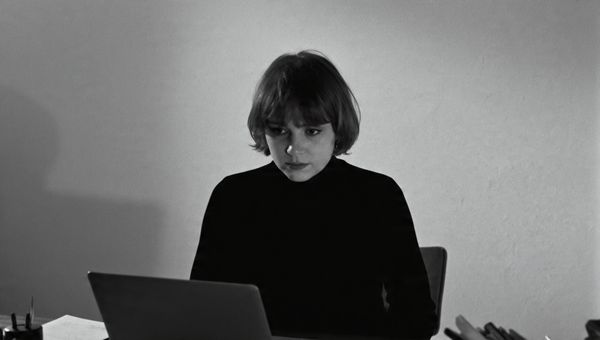
Introduction
Have you ever wondered what becomes of authorship when machines write? Meet FrancescaAluppino — a scholar, creative writer, and digital theorist whose work rides the razor‑thin line between classic literary tradition and tomorrow’s algorithm‑driven world. In an age where AI churns out text by the millions, her voice challenges us to reconsider what it means to own a narrative, to be an author. In this article, we’ll explore who FrancescaAluppino is, what drives her research, and why her perspective matters to anyone curious about creativity, identity, and technology.
Who Is FrancescaAluppino
FrancescaAluppino is not just a name — she’s a deeply interdisciplinary thinker. According to a recent profile, she is a PhD researcher in Italian Studies at University of Warwick, supported by a Chancellor’s International Scholarship. Her academic background spans comparative and modern literatures, which forms the foundation of her research.
But she doesn’t stay confined in academic towers. The “francescaaluppino” handle appears across various digital platforms, not as a flashy influencer moniker, but as a signature mark of a serious, thoughtful mind. In literary and cultural‑studies contexts, it denotes someone deeply attuned to the tensions between human creativity and technological mediation.
In other words: she straddles worlds — classical literature and avant‑garde digital theory, academic writing and cross‑media creative production.
What She Studies: Authorship, AI, and the Digital Afterlife
At the core of FrancescaAluppino work lies a compelling question: what becomes of authorship — of “who writes” — in an era ruled by generative algorithms and massive data‑driven reproduction? Her doctoral work traces the evolution of authorship from classical and early modern traditions to today’s digital age, paying special attention to how the figure of the “author” changes when texts are created, remixed, or reproduced by machines.
She argues that many contemporary anxieties about AI — about originality, ownership, authenticity — echo age‑old literary concerns: imitation, influence, intertextuality, borrowing. The big shift is scale and speed: AI doesn’t just mimic a few lines, it can regurgitate entire styles, voices, even “digital afterlives.”
Among her more provocative themes: the idea of digital afterlife. In her view, technologies like so-called grief‑ or “thanabots,” which reconstruct voices or writing styles from digital archives, blur the line between alive and artificial, human and algorithmic. She doesn’t treat these as sci‑fi curiosities; she treats them as cultural artefacts — as part of our evolving relationship with memory, identity, and legacy.
This kind of theoretical work doesn’t just belong in dusty libraries. It’s desperately relevant now — as AI‑generated content spreads, as debates over copyright intensify, as society grapples with whether “authentic voice” even makes sense anymore.
The Creative & Cultural Side of FrancescaAluppino
Beyond academic essays and theoretical treatises, FrancescaAluppino also lives as a creative. She contributes to literary and artistic publications, and engages in cross‑genre projects. For example, she takes part in works such as La Genesi di un Barabba and L’Ultimo Tempo Alato, which resonate with poetic tradition — even Dante‑ or Shakespearean‑era echoes — yet speak to modern anxieties.
Her involvement with platforms like LaCasadelRap — an Italian platform focused on hip‑hop culture — signals that she doesn’t just theorize culture; she helps shape it. She brings literary insight to contemporary urban mediums, bridging high culture and street‑level expression.
In a world where many creatives chase virality or algorithmic favor, this hybrid identity — part scholar, part artist, part cultural curator — stands out. It suggests that for her, meaning isn’t sacrificed for clicks. Instead, clicks are just doors to deeper reflection.
Why FrancescaAluppino Matters Today
So why should you care about FrancescaAluppino? Because she’s asking the questions many of us are only beginning to realize. In a time when AI is capable of mimicking our voices, our writing style, even our memories, she forces us to rethink what counts as original, as human, as real.
Her work gives historical depth to current debates. The anxieties about AI‑generated literature, about synthetic voices — these are not new problems, but new manifestations. By placing them within a long tradition of literary thought, she helps us avoid reactionary panic — while still demanding seriousness.
Moreover, she shows that technology and creativity aren’t enemies. They can coexist — as long as we remain conscious of context, intention, and ethics. She challenges simplistic binaries (human vs machine, original vs copy) and invites subtlety.
For creators, thinkers, and readers — anyone curious about the future of expression — FrancescaAluppino offers a roadmap. Not of doom, but of possibility, nuance, and hopefully, agency.
Common Objections — and Why They Miss the Point
Some might say: “But AI authorship is inevitable; authenticity doesn’t matter anymore.” True, AI will write more and more. Yet saying authenticity is dead is surrender, not insight. FrancescaAluppino doesn’t try to banish AI; she wants to deepen our understanding of what authorship means now.
Others might argue: “Her work is too academic — nobody beyond scholars will pay attention.” That might have been true in another era. But with generative AI, digital art, social media, and global content floods, more people than ever are confronting these issues — often unconsciously. That’s why her hybrid approach — combining scholarship with creative practice — is so powerful.
What We Can Learn From Her Approach
From FrancescaAluppino, we can learn that in a digital world, creativity isn’t about brute novelty but about context. It’s not about rejecting technology but about using it with awareness. It’s about honoring human intention, even when machines help generate the text.
If you are a writer, a digital creator, or someone curious about culture — ask yourself: what’s my voice, and does it matter? What does authorship mean when algorithm‑driven platforms dominate? And perhaps most importantly: how can I build something that isn’t just clickable, but meaningful?
Conclusion & What to Do Next
FrancescaAluppino stands at a fascinating crossroads: between tradition and innovation, between human voice and algorithmic potential. Her work reminds us that as technology reshapes how we write, read, and remember — our sense of identity and authorship must evolve, too.
If you’re intrigued by the future of creativity, by what it means to write — or live — in a digital age, then following voices like hers is worth your time. Dive into her essays, explore her creative work, and track how the questions she raises play out around you.
If this article resonated, I’d love to hear your thoughts — comment below, share with someone curious about AI and identity, or sign up for updates so you don’t miss future deep dives. Because if there’s one thing FrancescaAluppino teaches us, it’s that words — human or machine‑assisted — still carry power.
Read Also: Ftasiastock Crypto: What You Need to Know Before Investing
FAQs for FrancescaAluppino
1. Who is FrancescaAluppino?
FrancescaAluppino is a scholar and writer focused on authorship, digital culture, and the evolving role of AI in literature.
2. What is FrancescaAluppino known for?
She is known for her research on digital authorship and the intersection of technology and creative writing.
3. Where does FrancescaAluppino work or study?
FrancescaAluppino is a PhD candidate at the University of Warwick, specializing in Italian Studies and comparative literature.
4. What topics does FrancescaAluppino research?
Her research explores authorship, AI-generated texts, literary influence, digital afterlife, and the transformation of creative identity.
5. Has FrancescaAluppino published any work?
Yes, she has published essays and contributed to literary and cultural projects combining theory and creative writing.
6. Why is FrancescaAluppino’s work important today?
Her work helps readers understand the impact of AI on creativity, authorship, and cultural identity in the digital age.
7. How can I learn more about FrancescaAluppino?
You can explore her academic profiles, online publications, and literary contributions to follow her latest research and insights.

