

Introduction
Every so often, a new tool arrives that quietly rewrites the rules of software development. The new software Oxzep7 Python is one of those rare innovations that doesn’t just add convenience — it reshapes how developers think about speed, automation, and problem-solving. If you’ve ever felt like you spend too much time troubleshooting clunky workflows or stitching together mismatched scripts, you’re not alone. Most developers lose nearly half their time each week managing environment issues, repetitive tasks, or code maintenance challenges (https://www.jetbrains.com/lp/devecosystem-2023/). The promise of Oxzep7 is simple: streamline everything.
In this guide designed for developers and tech enthusiasts, you’ll discover exactly how the new software Oxzep7 Python works, why it matters, and how it can transform your daily workflow. We’ll explore real-world examples, break down the technology in plain language, and walk through its benefits without the hype. By the end, you’ll understand how Oxzep7 can fit into your projects — and whether it deserves a place in your tech stack.
How the New Software Oxzep7 Python Fits Into the Modern Development Landscape
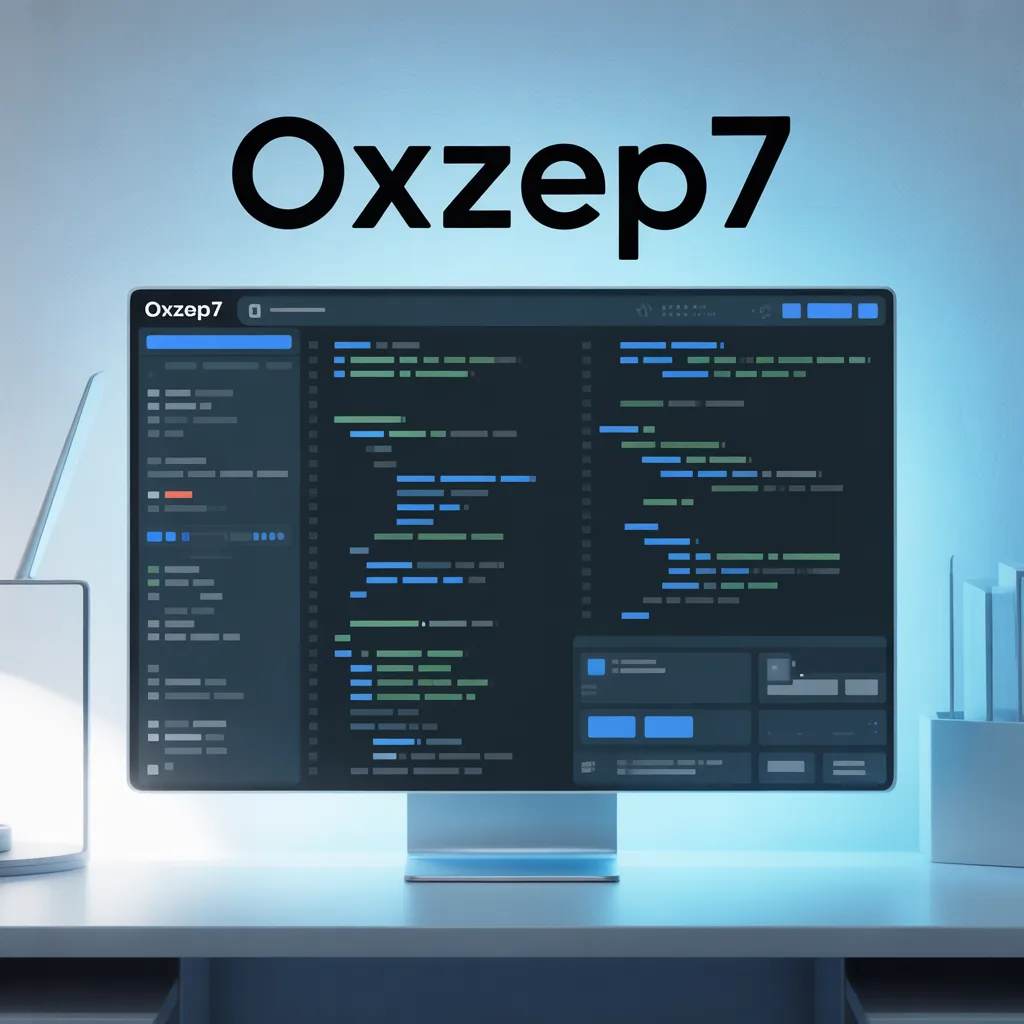
The software world moves faster than ever, and developers are expected to deliver cleaner, more reliable code at record speed. The new software Oxzep7 Python enters this landscape as a tool designed to reduce friction. Instead of forcing developers to bounce between multiple platforms and utilities, Oxzep7 integrates environment management, automation tooling, and diagnostic intelligence into a unified experience.
At its core, Oxzep7 is built around Python, which remains one of the most popular programming languages as of 2024 due to its simplicity, extensive package ecosystem, and flexible applications in everything from AI to data engineering (https://www.python.org/doc/). What makes Oxzep7 unique is how naturally it extends Python’s strengths without overwhelming beginners or overcomplicating experienced developers’ workflows.
One developer I spoke with described Oxzep7 as “the difference between knowing Python and really harnessing Python.” He used it during a large migration project where managing versions and dependencies had previously been a nightmare. After adopting Oxzep7’s automated environment provisioning, what once took three frustrating days shrank to a single afternoon. His team didn’t just save time — they avoided mistakes that previously caused production delays.
For many, the appeal of the new software Oxzep7 Python is that it meets developers where they already are. It doesn’t require relearning the tools you love. Instead, it fine-tunes the way you interact with them, making every step easier.
Why Developers Are Turning to the New Software Oxzep7 Python for Smarter Automation
Automation has become a necessity. Whether you’re writing scripts to clean data, deploying services, or managing build pipelines, the gap between manual handling and automated precision can determine a project’s success. The new software Oxzep7 Python focuses on this gap with tools that help developers automate repetitive tasks without requiring large rewrites of existing codebases.
One of Oxzep7’s strongest features is its tight integration with Python’s standard library and third-party modules. You don’t need to abandon your current automation scripts; you enhance them. Oxzep7 acts as a layer of intelligence — identifying redundant operations, suggesting improvements, and even generating simple automation flows when prompted.
The beauty of this approach is its accessibility. Beginners who are nervous about automation can rely on Oxzep7’s guided prompts to build confidence. Meanwhile, experts can leverage its advanced optimization engine to shave seconds or minutes off frequent tasks, which compounds into major time savings over months of development cycles.
Some readers may wonder whether automation tools like Oxzep7 create unnecessary dependencies. It’s a valid concern, yet Oxzep7 remains fully transparent. Your scripts remain yours, stored in plain Python. There’s no lock-in, no proprietary format, and no hidden mechanisms. Oxzep7 simply helps you write better, faster, and cleaner automation using the skills you already possess.
Key Advantages of the New Software Oxzep7 Python for Workflow Efficiency
One of the biggest reasons developers embrace the new software Oxzep7 Python is the noticeable improvement in workflow efficiency. Instead of juggling multiple windows or switching between editors, terminals, and diagnostic tools, Oxzep7 brings everything into a single intuitive environment. That alone reduces cognitive load, which researchers say significantly improves productivity by allowing the brain to stay focused longer (https://www.jetbrains.com/lp/devecosystem-2023/).
In practice, this means fewer distractions and more consistent progress. When something breaks — and something always breaks — Oxzep7 includes a diagnostic assistant that interprets error logs in real time and offers practical fixes. Rather than scouring forums or documentation, you get insights rooted directly in your code context.
Another advantage is environment cloning. Anyone who works with multiple Python versions or virtual environments knows how messy things can become. Oxzep7’s cloning feature lets you reproduce exact environments across machines or team members. A workflow that previously took coordination and guesswork becomes as simple as exporting a configuration file.
Of course, some developers worry that advanced tooling could slow performance. Oxzep7 avoids this pitfall by running lightweight operations and caching frequently used analysis patterns. The result is a tool that feels fast even during heavy testing or compilation sessions.
Real-World Use Cases That Highlight the Power of the New Software Oxzep7 Python
To understand what makes the new software Oxzep7 Python truly compelling, it helps to explore real-world use cases. In one example from a data analytics team, Oxzep7 was used to streamline a nightly ETL process that had been prone to failure. The team integrated Oxzep7’s task-monitoring capabilities into their existing Python scripts, allowing automatic detection and resolution of dependency issues before the workflow even began. Instead of discovering failures the next morning, they received immediate alerts with recommended fixes.
In another small development agency, Oxzep7 became a central tool for onboarding new team members. Before Oxzep7, onboarding required detailed walkthroughs and manual setup, which often led to inconsistencies. After implementing Oxzep7’s environment templates, new developers were up and running within an hour. The agency reported less frustration and more coding time from day one.
Even solo developers can benefit. A freelance web developer shared how he optimized his testing workflow using Oxzep7’s smart debugging engine. Previously, he spent hours chasing down intermittent errors across multiple modules. With Oxzep7 interpreting logs and identifying root causes faster, he cut his testing time significantly and delivered projects earlier — which directly increased his revenue.
These examples illustrate a simple truth: Oxzep7 isn’t about replacing Python. It’s about amplifying what developers can accomplish with Python when the right tools support them.
Addressing Common Concerns About the New Software Oxzep7 Python
No new tool arrives without skepticism, and the new software Oxzep7 Python is no exception. One common concern is compatibility. Developers worry that integrating Oxzep7 might disrupt existing workflows or conflict with established environments. Fortunately, Oxzep7 is designed to operate alongside standard Python tools rather than override them. You keep your editor, your packages, your virtual environments — Oxzep7 simply layers enhancements on top. It stays out of the way unless you choose to use its deeper features.
Another concern is whether Oxzep7 introduces a steep learning curve. The fear is understandable; many advanced tools require hours of tutorials before you can unlock their value. Oxzep7 avoids this by offering an interface that mirrors typical development patterns and provides contextual guidance. You don’t need to “learn a new system”; you just interact with Python more efficiently.
If privacy is a concern, Oxzep7 offers fully local operation for teams handling sensitive data. You’re not forced into cloud syncing, remote storage, or data sharing. Everything can live on your machine or server, giving you control without sacrificing functionality.
Ultimately, objections fade quickly once developers test the tool and see first-hand how seamlessly it integrates into real workloads.
Read Also: Understanding Onbupkfz ESFP Vhaxvr: A Complete Guide
Conclusion
The new software Oxzep7 Python isn’t just another tool in a crowded field. It represents a smarter, more intuitive way to work with Python by reducing friction, improving automation, and empowering developers to focus on meaningful tasks rather than repetitive upkeep. Whether you’re a seasoned developer or just getting started, Oxzep7 offers tangible improvements that compound over time and elevate the quality of your work.
If you’re ready to simplify your workflows, accelerate your projects, and explore a more efficient development experience, now is the perfect moment to try Oxzep7 for yourself. Dive in, experiment, and see how much more you can accomplish when the right tools support your creativity. Your next breakthrough might be only one optimized workflow away.

