

Introduction: Why the Photeeq Lens Flare Has Become a Creative Essential
There’s something magical about a photo that feels alive, as if light itself is part of the story. That’s exactly what the photeeq lens flare brings to the table. Whether you’re shooting portraits, lifestyle scenes, product visuals or cinematic outdoor frames, this artistic effect adds texture, warmth and emotional depth that instantly elevates your work. Many creators turn to flashy editing tricks, but few techniques produce the same natural mood that a well-balanced photeeq lens flare delivers.
If you’ve ever wondered how some photos seem to glow from within, or how certain images appear to capture a fleeting moment of light you didn’t even notice at the time, you’re about to discover the answer. This guide will walk you through everything you need to know about using the photeeq lens flare like a pro. You’ll learn how it works, when it elevates your visuals, when it distracts from them, and how to use it in a way that feels intentional rather than gimmicky. By the end, you’ll have a practical, repeatable approach for turning ordinary shots into stunning, cinematic frames your audience can’t scroll past.
How the Photeeq Lens Flare Works and Why It Enhances Visual Storytelling
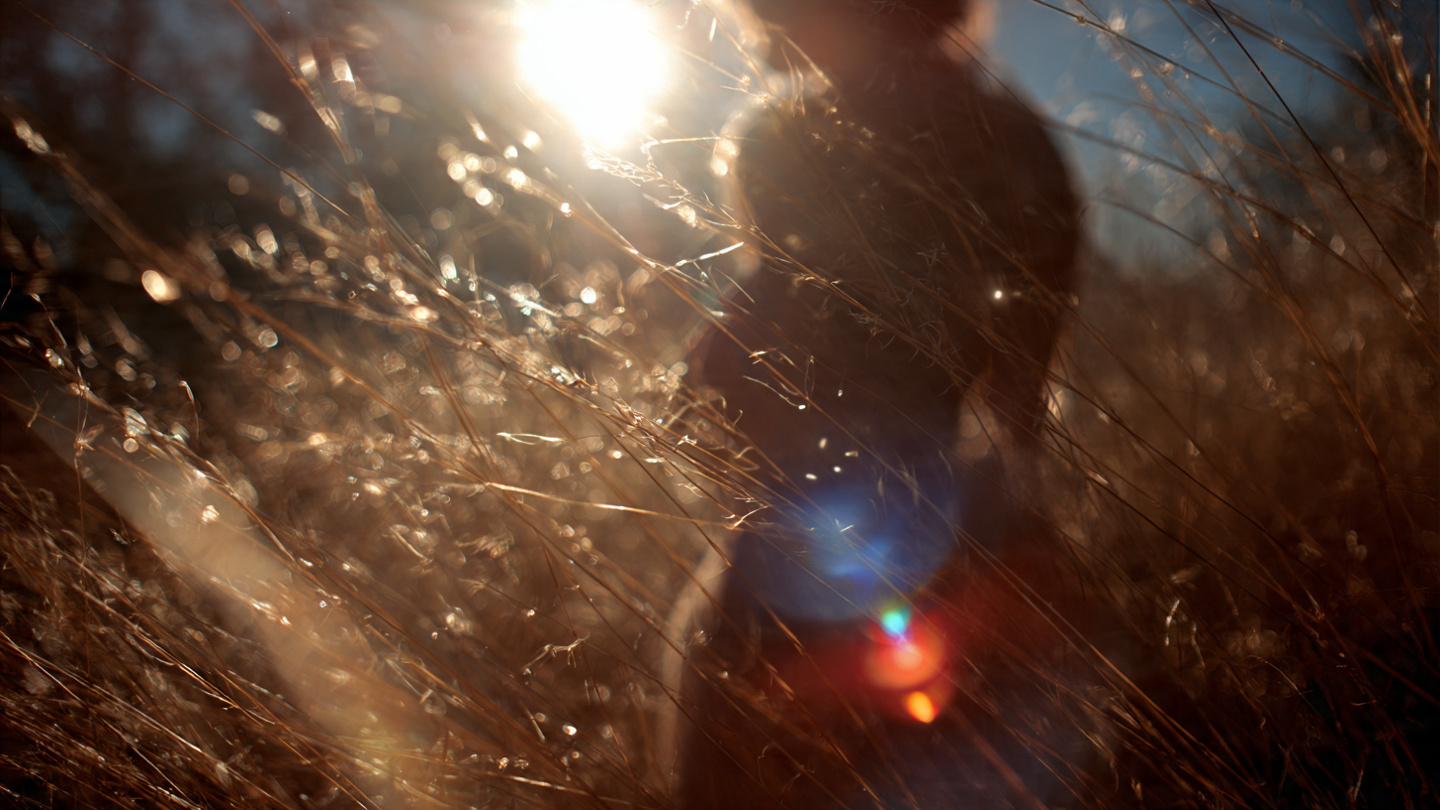
The photeeq lens flare effect replicates the natural scattering of light inside camera optics. In real photography, lens flare occurs when a strong light source enters the lens at an angle, bouncing between elements until it produces streaks, rings or soft glow. With the photeeq lens flare effect, you can simulate that behavior while staying in full control of the mood you want to create.
Creators love this because it adds character. A flat photo suddenly feels warm. A simple portrait transforms into a scene with sun-kissed highlights. Even a product shot gains emotional weight when soft flares draw the viewer’s eye toward a focal point. According to Adobe’s visual design insights, warm light-based enhancements increase viewer attention and perceived authenticity (https://www.adobe.com/creativecloud/design/discover/color-theory.html).
This effect works especially well when you want your image to convey atmosphere instead of precision. While technical perfection has its place, modern audiences value imagery that feels imperfect in a pleasing way, similar to film photography. The photeeq lens flare bridges that gap beautifully by blending digital clarity with analog charm.
To understand why this effect matters so much, think about a moment when natural light shifted during a shoot. Maybe the sun dipped behind a building, creating a soft halo. Maybe the golden hour made the air glow just right. The lens flare captures that exact feeling—only now, you can apply it whenever you want.
When to Use the Photeeq Lens Flare for Maximum Impact
Not every image needs extra light, and not every composition benefits from it. The photeeq lens flare works best when it supports the story you want your photo to tell. For example, portraits with backlighting often feel richer with a soft flare warming the edges. Lifestyle scenes shot near windows or in forests take on a cinematic tone when a subtle beam peeks into the frame. Even urban photography becomes more compelling when the flare adds a sense of movement and atmosphere.
However, adding it everywhere creates visual noise. If your image relies heavily on clarity, texture or detail—such as product photography for technical gear—too much lens flare may distract the viewer. Some creators try to compensate for weak lighting by overpowering their images with the photeeq lens flare, but that usually backfires. Instead of enhancing the shot, it creates inconsistency between highlights and shadows.
Before adding any flare, ask yourself a simple question: does this serve the emotion of the scene? If the answer is yes, the photeeq lens flare becomes a powerful storytelling tool. If not, the effect risks overpowering the very moment you’re trying to share.
A photographer I worked with recently ran into this dilemma. She had a beautiful portrait with soft background bokeh, but the lighting was flat. After experimenting with the photeeq lens flare at different angles and intensities, she found a warm streak that complemented the subject’s expression rather than distracting from it. The result felt natural, as if the light had been there all along.
Editing Techniques for a Natural-Looking Photeeq Lens Flare
Mastering the photeeq lens flare isn’t just about applying the effect; it’s about blending it seamlessly into the environment. The most common mistake beginners make is placing a flare where no real light source exists. This instantly signals to the viewer that something feels off. Light always travels logically, so your flare should reflect the scene’s lighting direction and temperature.
Start by identifying the brightest part of your photo. If the sun or a lamp sits in the top corner, that’s the most believable area for introducing the photeeq lens flare. Soft glow works well in outdoor scenes, while more concentrated streaks or rings fit stylized studio shots. The key is subtlety. Instead of overwhelming the frame, let the flare enhance the mood.
Color temperature also matters. A warm photeeq lens flare feels appropriate for sunrise or sunset scenes, but a cooler tone works better in interiors lit by LEDs or fluorescent lights. According to DPReview’s breakdown of lens-light behavior, matching temperature is critical for maintaining realism (https://www.dpreview.com/articles).
Intensity is the third factor. Too bright, and the flare eats into important details. Too faint, and it disappears. Adjust until the viewer notices the light without focusing on it. Think of it as seasoning: you want enough to enhance the flavor, not enough to dominate the dish.
If you’re editing multiple photos from the same shoot, consistency helps your visuals feel cohesive. Try saving your preferred photeeq lens flare settings or presets so future edits take only minutes instead of trial and error.
Overcoming Common Objections About the Photeeq Lens Flare
Some photographers worry that adding a photeeq lens flare makes their work feel artificial. That’s a valid concern, especially in niches where technical precision matters. But when used thoughtfully, the effect doesn’t fake light; it enhances what’s already there. The goal isn’t to trick the viewer but to express how the moment felt rather than how the sensor captured it.
Another common objection is that the photeeq lens flare might reduce clarity. This only happens when the effect is overused. With proper placement, opacity and feathering, you maintain full control of your image’s sharpness. And if you ever feel unsure, simply duplicate your layer so you can toggle the effect on and off. Comparing both versions often makes the decision obvious.
In truth, the photeeq lens flare is simply another creative tool—no different from color grading or contrast adjustments. What matters is your intention behind the effect.
Advanced Creative Applications of the Photeeq Lens Flare
Once you’re comfortable with the basics, the photeeq lens flare opens the door to advanced techniques. Some creators use it to frame their subject, subtly guiding the viewer’s eye toward a specific area. Others use it to balance heavy shadows when shooting in high-contrast environments. You can even combine the photeeq lens flare with reflective surfaces—like water, metal or glass—to create dynamic visual interactions within the frame.
One interesting approach is using the flare to soften facial lines in portraits. The light wash naturally minimizes harsh shadows, giving the subject a warm, glowing appearance without heavy retouching. Another technique involves layering multiple flares at extremely low opacity to build depth gradually. This creates a film-like softness that feels immersive rather than edited.
When experimenting, remember that the best results come from restraint. A well-placed photeeq lens flare should feel like a secret ingredient, not the entire recipe.
Read Also: WutawHelp Useful Advice: A Practical Guide for Everyday Success
Conclusion: Bring Cinematic Emotion Into Your Photos With the Photeeq Lens Flare
The photeeq lens flare isn’t just a trendy editing effect—it’s a powerful storytelling tool that helps you convey emotion, mood and atmosphere in ways raw lighting alone sometimes can’t. When used intentionally, it transforms flat images into cinematic experiences that resonate with viewers. Whether you’re shooting portraits, lifestyle moments or creative commercial visuals, the flare adds a layer of artistry that makes your work stand out.
You now have the tools to use this effect with confidence. Trust your instincts, experiment boldly and pay attention to how the light interacts with your scenes. If you’re ready to elevate your style even further, share this guide with other creators or explore more photography resources on the site. Your next unforgettable image might be just one photeeq lens flare away.

