

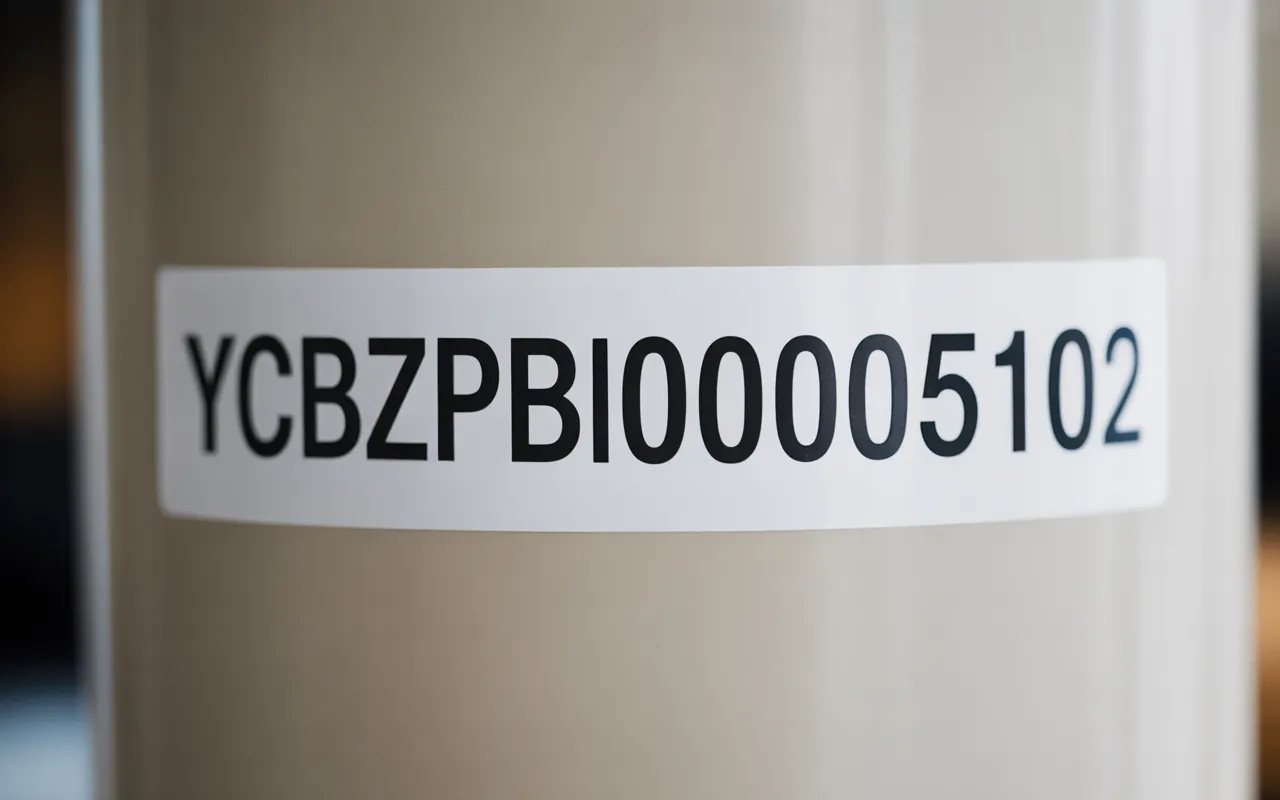
Introduction: The Hidden Power Behind a Strange Code
Ever noticed a strange string of numbers and letters like YCBZPB00005102 and wondered what it actually means? It might look meaningless at first glance, but that small code can represent something powerful — an identifier that keeps massive digital systems organized, traceable, and efficient.
In a world where data powers almost every business operation, identifiers like YCBZPB00005102 play a crucial role. They help track items, records, and transactions with absolute accuracy. Whether you manage inventory, digital assets, or financial systems, understanding what this code represents can unlock a new level of control and efficiency in your workflow.
Let’s dive deeper into what YCBZPB00005102 is, how it’s used, and why it matters more than ever in today’s data-driven world.
What Exactly Is YCBZPB00005102?
At its simplest, YCBZPB00005102 is an alphanumeric identifier — a unique combination of letters and numbers used to label one specific item, transaction, or record. Think of it as a digital fingerprint. No two identifiers are the same, ensuring that every entry in a system remains distinct.
Identifiers like this are the backbone of organized data management. They’re used across countless industries to track everything from products and shipments to medical records and financial documents. Instead of naming something “File-A” or “Product-1,” systems generate codes like YCBZPB00005102 to guarantee uniqueness.
Why not just use names or serial numbers? Because when your database grows into thousands or millions of entries, simple names can overlap. A unique code eliminates confusion, ensures accurate lookups, and supports automation across complex platforms.
In short, YCBZPB00005102 might look random, but it’s built for precision. It’s what keeps systems synchronized and businesses running smoothly.
How YCBZPB00005102 Works in the Real World
Identifiers like YCBZPB00005102 are everywhere, even if most people never notice them. They’re silently embedded into the backbone of logistics systems, e-commerce platforms, and enterprise software.
Picture this: a manufacturing company assigns a code like YCBZPB00005102 to every part it produces. As that part moves from the assembly line to shipping and eventually to a retailer, each scan of the code updates its record in the system. By the time it reaches a customer, there’s a complete digital trail — who made it, when it was made, where it was shipped, and which batch it came from.
That kind of traceability isn’t just convenient — it’s vital. It allows companies to locate a faulty product batch within minutes instead of days, saving both time and money.
Data management works the same way. In large databases, identifiers ensure every record can be quickly found, cross-referenced, or analyzed without duplication. In sectors like healthcare, each patient or document might be tied to a code like YCBZPB00005102, allowing instant retrieval while keeping personal information secure.
So, while it looks technical, the principle behind YCBZPB00005102 is simple: it’s a smart, efficient way to make complexity manageable.
Why YCBZPB00005102 Matters for Business Efficiency
Modern businesses thrive on accuracy and speed. Any delay caused by missing data, mismatched entries, or duplicated records can translate directly into financial losses. That’s why codes like YCBZPB00005102 are more than just technical details — they’re productivity tools.
By assigning a unique identifier to every record, transaction, or asset, businesses can drastically reduce data errors. When every entry has one exclusive tag, systems can instantly detect anomalies or inconsistencies. It’s how financial software prevents double billing, and how warehouses avoid shipping the wrong product.
Beyond error prevention, identifiers support transparency. Auditors, regulators, and managers can trace actions, decisions, and outcomes across an organization. When a problem arises, there’s no guesswork — the identifier provides a clear digital breadcrumb trail.
Efficiency also extends to automation. When every product or process includes an identifier like YCBZPB00005102, machines and software can interact seamlessly. From barcode scanners and RFID tags to AI-driven analytics, these codes allow systems to “speak the same language.”
Simply put, the more your business relies on precise data, the more valuable identifiers like YCBZPB00005102 become.
How to Implement a System Like YCBZPB00005102
If you’re ready to bring order and precision to your own operations, implementing an identifier system inspired by YCBZPB00005102 isn’t as complex as it sounds. It starts with defining your scope — what needs to be labeled or tracked. This could be products, customers, files, or even tasks.
Next, design a code format that fits your needs. For example, use a prefix for category or department, followed by a series of numbers for sequence. A structure like “YCBZPB00005102” ensures scalability and prevents overlaps.
Once you’ve defined your format, integrate it into your workflow systems. Whether it’s your inventory management software, CRM, or cloud storage, make sure every record automatically generates or includes an identifier.
Of course, no system works without people. Train your team to understand why identifiers matter. Show them how using codes like YCBZPB00005102 reduces errors and speeds up processes. When your staff recognizes the benefits firsthand, adoption becomes natural.
Yes, setup takes some effort. But the payoff — cleaner data, faster audits, fewer mistakes — is worth it. Over time, identifiers save far more than they cost to implement.
When YCBZPB00005102 Might Not Be Necessary
Not every organization needs to adopt complex identifiers right away. If you’re a small business managing only a handful of products or clients, simple naming might still do the job. Over-engineering a tracking system too early can slow you down instead of helping.
Identifiers like YCBZPB00005102 deliver real benefits when data volume grows or when traceability becomes essential. For instance, once you start handling hundreds of customer files or running multiple product lines, a unique identifier system becomes indispensable.
It’s also important to maintain consistency. A system like this only works if everyone uses it correctly. If half your team relies on identifiers while others don’t, it can create confusion. The goal is alignment — every entry should follow the same logic.
In short, YCBZPB00005102-style identifiers are most valuable when you’re managing scale, complexity, or compliance requirements. Use them where precision truly adds value.
The Future of Identifiers Like YCBZPB00005102
The future of data tracking is evolving fast, and identifiers like YCBZPB00005102 are at the center of that transformation. As automation, AI, and blockchain technologies advance, identifiers are becoming smarter and more connected than ever before.
Imagine scanning a product’s code and instantly viewing its entire history — from raw materials to production to delivery. In industries like food and healthcare, that kind of transparency can prevent fraud, verify authenticity, and improve safety.
In the coming years, identifiers may carry even more embedded intelligence. They could self-update through smart contracts or link directly to digital twins in the metaverse, representing real-world objects in virtual environments.
For businesses, the takeaway is clear: systems built around identifiers like YCBZPB00005102 will be the ones ready for the next era of digital transformation. Those who ignore this shift risk losing visibility and control as their data ecosystems expand.
Conclusion: The Small Code That Creates Big Impact
At first glance, YCBZPB00005102 might seem like a meaningless jumble of characters. But behind that small code lies the foundation of modern data organization. From warehouses and logistics to software and analytics, identifiers like this keep our increasingly digital world running smoothly.
For businesses, the lesson is simple. A strong identifier system means stronger control, better accountability, and greater efficiency. Whether you’re managing physical products or digital files, introducing a structured code system can dramatically improve clarity and performance.
It’s time to stop seeing identifiers as technical clutter and start viewing them as the hidden architecture of your success. So, if you’ve been struggling to track your data or manage growth, consider adopting your own version of YCBZPB00005102 — the tiny code that makes a massive difference.
Read More: TechyTouch

