

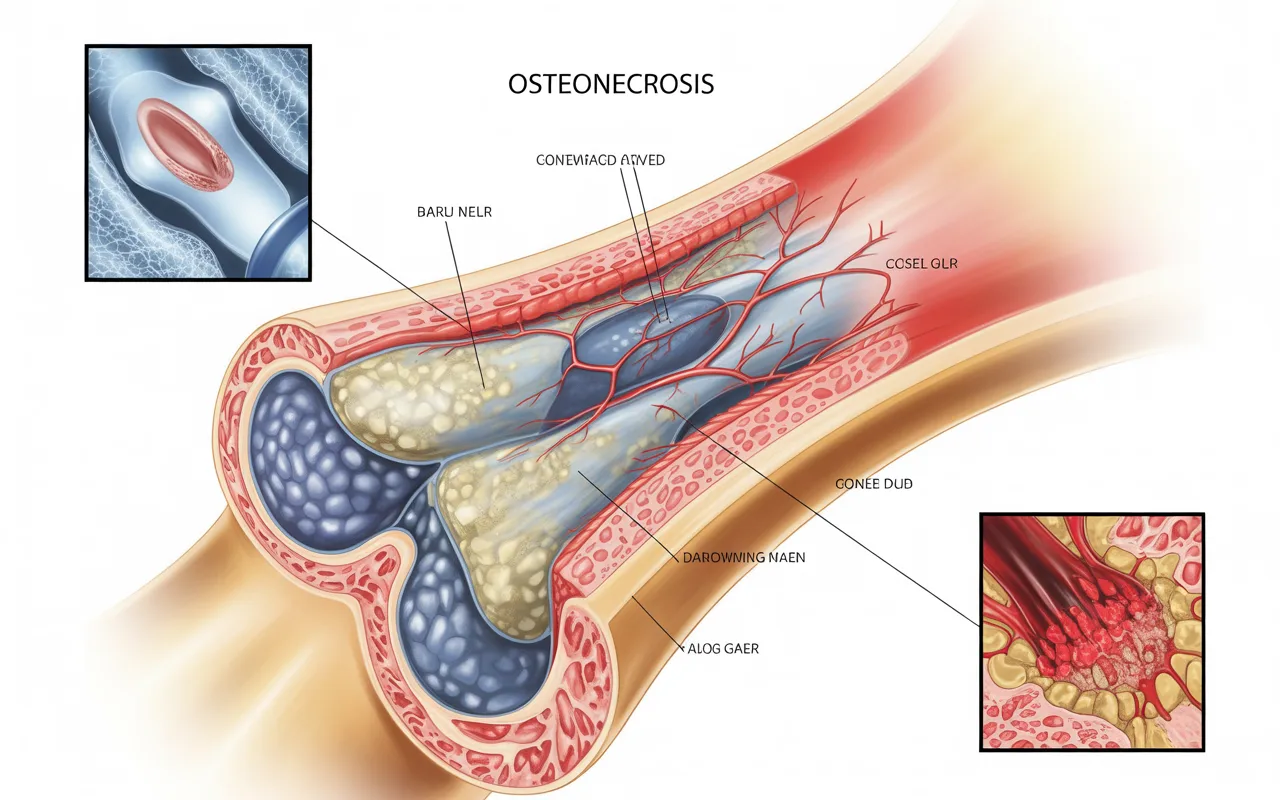
Introduction: The Silent Threat of Ozdikenosis
Imagine hearing about a disease that rarely makes headlines yet carries potentially fatal consequences. Ozdikenosis is one such condition. Though unfamiliar to most, understanding why does ozdikenosis kill you is crucial, especially for those who may be at risk.
The challenge with ozdikenosis lies in its subtle onset and the severe complications that can follow if left untreated. From organ failure to systemic issues, the disease progresses silently, often catching patients and families off guard. In this article, we’ll explore the mechanisms behind its lethality, the signs to watch for, and strategies to reduce risk, so you can approach this rare condition with awareness and confidence.
What Is Ozdikenosis?
Ozdikenosis is a rare, complex disorder that primarily affects internal organ systems, disrupting normal biological processes. While research is ongoing, current studies suggest it involves both genetic and environmental triggers that compromise cellular function and immunity.
The disease often begins subtly, with nonspecific symptoms such as fatigue, mild pain, or occasional digestive issues. Because these early signs resemble common ailments, diagnosis is frequently delayed. This delay is a major reason why ozdikenosis can escalate into life-threatening complications.
Researchers continue to investigate the underlying causes, and while there is no universally agreed-upon cure yet, understanding its pathways is critical. By identifying early warning signs, patients and doctors can intervene before severe damage occurs.
How Ozdikenosis Progresses
Understanding why does ozdikenosis kill you requires examining its progression. Initially, the disease attacks cellular metabolism, causing systemic inflammation. Over time, this inflammation can impair vital organs, including the heart, liver, and kidneys.
In some cases, patients experience sudden exacerbations where multiple organ systems fail rapidly. These acute episodes are particularly dangerous because they can lead to irreversible damage within days if untreated. Medical case reports show that early intervention significantly improves survival rates, emphasizing the importance of monitoring even mild symptoms.
A short anecdote illustrates this: a patient in their late 30s initially dismissed mild fatigue as stress. Within months, however, they developed severe complications that required hospitalization. Timely diagnosis and aggressive treatment eventually stabilized their condition, highlighting the critical nature of early recognition.
Symptoms to Watch For
Recognizing symptoms early can make a life-saving difference. While ozdikenosis varies from person to person, there are consistent warning signs. These include persistent fatigue, unexplained fevers, digestive disturbances, shortness of breath, and joint pain.
Advanced stages may produce organ-specific symptoms such as irregular heartbeat, jaundice, or kidney dysfunction. Because these manifestations mimic other conditions, healthcare professionals recommend comprehensive testing when symptoms persist. Regular check-ups and awareness of unusual bodily changes are key preventive measures.
It’s also important to note that psychological effects, such as anxiety or cognitive fog, can accompany physical symptoms. Patients often report confusion or mood swings, which are overlooked in conventional assessments but may provide additional clues to early disease activity.
Why Ozdikenosis Can Be Fatal
So, why does ozdikenosis kill you? The lethality stems from its multi-organ impact and systemic complications. When the disease disrupts critical organs like the heart or liver, the body cannot maintain essential functions. Organ failure, combined with the stress of systemic inflammation, can overwhelm even healthy individuals.
Secondary complications also increase the risk of death. Patients are more susceptible to infections, severe dehydration, and electrolyte imbalances. Without prompt treatment, these cascading effects can become fatal. Case studies from clinical reports consistently show that mortality rises sharply when intervention is delayed beyond early symptom onset.
In essence, ozdikenosis kills by creating a cascade of failures within the body — a domino effect that begins at the cellular level and escalates to critical organ shutdown if ignored.
Diagnosis and Treatment Options
Diagnosing ozdikenosis is challenging due to its rarity and nonspecific early symptoms. Physicians typically rely on a combination of blood tests, imaging, and genetic screening to confirm the condition. In many cases, interdisciplinary teams of specialists are involved to evaluate systemic involvement.
Treatment focuses on managing symptoms and stabilizing organ function. Depending on the patient, interventions may include anti-inflammatory medications, immunosuppressive therapy, or supportive care for organ systems at risk. Early detection dramatically improves outcomes, which is why understanding risk factors and seeking prompt evaluation is vital.
Although there is no single cure, ongoing research into cellular therapies and targeted medications holds promise. Patients who adhere to treatment plans and maintain regular monitoring generally experience better long-term survival.
Prevention and Lifestyle Considerations
While genetic factors play a role, lifestyle and early awareness can help mitigate the risk or severity of ozdikenosis. Maintaining a balanced diet, managing stress, staying hydrated, and avoiding known environmental triggers are essential preventive measures.
Regular medical check-ups can identify early organ stress or systemic inflammation, allowing timely intervention. Patients with family histories of rare diseases should discuss proactive screening with their physicians. Knowledge and vigilance are powerful tools, especially for a condition that progresses silently.
Community education is also vital. By spreading awareness about why does ozdikenosis kill you, families and caregivers can recognize symptoms early and seek medical attention before complications escalate.
Addressing Common Concerns
Some readers may worry that learning about rare fatal conditions will cause unnecessary anxiety. Others might assume that treatment is ineffective due to the disease’s severity. While these fears are understandable, knowledge is empowering. Recognizing early signs and engaging with healthcare providers significantly improves outcomes.
Medical research continues to advance, offering new treatments and therapies. The focus should be on awareness, early detection, and proactive management. By taking informed steps, patients can reduce risk and improve quality of life despite the seriousness of the condition.
Read Also: Blog Gaming DualMedia: The Ultimate Destination for Gamers
Conclusion: Understanding and Acting Early Saves Lives
Why does ozdikenosis kill you? It’s the combination of delayed recognition, systemic organ involvement, and cascading complications that makes this rare disease dangerous. Understanding the mechanisms, recognizing symptoms, and seeking prompt medical care are critical for survival.
Awareness is your first line of defense. Pay attention to persistent or unusual symptoms, maintain regular health check-ups, and consult specialists when needed. By acting early and staying informed, you can dramatically reduce the risks associated with ozdikenosis. Share this knowledge, stay vigilant, and empower yourself and loved ones to respond proactively to this silent but serious threat.

